Developments in Oil Casing technical Backdrop: Impacts and Measures
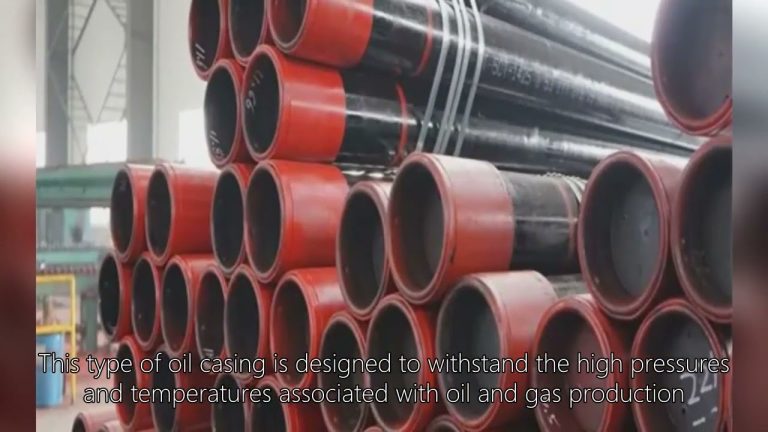
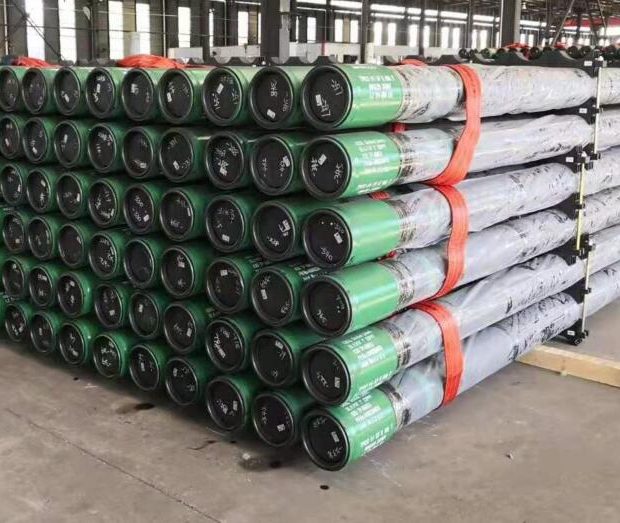
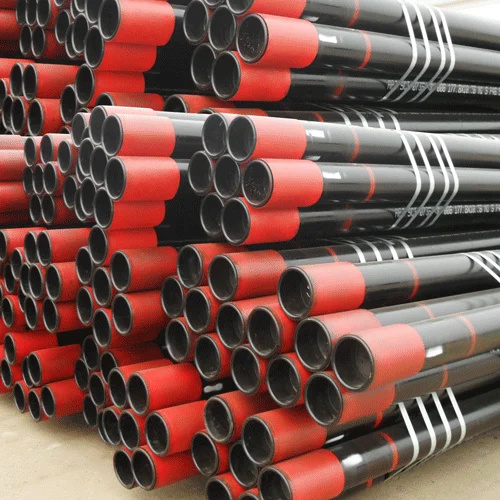
Developments in oil casing technology have significantly impacted the Oil and Gas industry in recent years. The evolution of Oil casing Materials and designs has brought about both challenges and opportunities for the sector. One of the key impacts of these developments is the enhanced durability and reliability of oil casings, leading to improved well integrity and operational safety. This has been particularly crucial in harsh environments and deep-water drilling operations where the integrity of the casing is paramount.
Furthermore, advancements in oil casing technology have enabled operators to access previously inaccessible reserves, unlocking new opportunities for exploration and production. The use of innovative materials and manufacturing processes has allowed for the development of casings that can withstand higher pressures and temperatures, expanding the operational limits of oil and gas wells.
In addition to improved durability, modern oil casing designs have also focused on enhancing efficiency and cost-effectiveness. By optimizing casing dimensions and configurations, operators can achieve better wellbore stability and Cementing performance, ultimately leading to increased productivity and reduced operational costs. These efficiency gains are particularly significant in today’s competitive market environment where Companies are constantly seeking ways to improve their bottom line.
Despite the numerous benefits brought about by advancements in oil casing technology, there are also challenges that need to be addressed. One such challenge is the environmental impact of casing materials and manufacturing processes. As the industry strives to reduce its carbon footprint and adopt more sustainable practices, there is a growing need to develop eco-friendly casing materials and recycling solutions to minimize waste and environmental degradation.
Luxury Oil Painting Flower Fashion Phone Case for iPhone 15 14 13 PRO Max All-Inclusive Lens
Moreover, the complexity of modern oil casing designs has necessitated the need for enhanced monitoring and inspection techniques to ensure the integrity of the casing throughout its lifecycle. Technologies such as real-time monitoring systems and advanced inspection tools play a crucial role in detecting potential issues early on and preventing costly failures.
To mitigate the challenges posed by evolving oil casing technology, industry stakeholders are increasingly focusing on collaboration and knowledge sharing. By fostering partnerships between operators, service providers, and research institutions, the industry can collectively address technical challenges, drive innovation, and promote best practices in oil casing design and operation.

In conclusion, the developments in oil casing technology have had a profound impact on the oil and gas industry, resh APIng the way wells are drilled, completed, and operated. While these advancements have brought about numerous benefits in terms of durability, efficiency, and access to new reserves, they also present challenges that require proactive measures and collaborative efforts to overcome. By staying abreast of the latest technological trends and fostering a culture of innovation and sustainability, the industry can contiNue to thrive in an ever-evolving landscape.